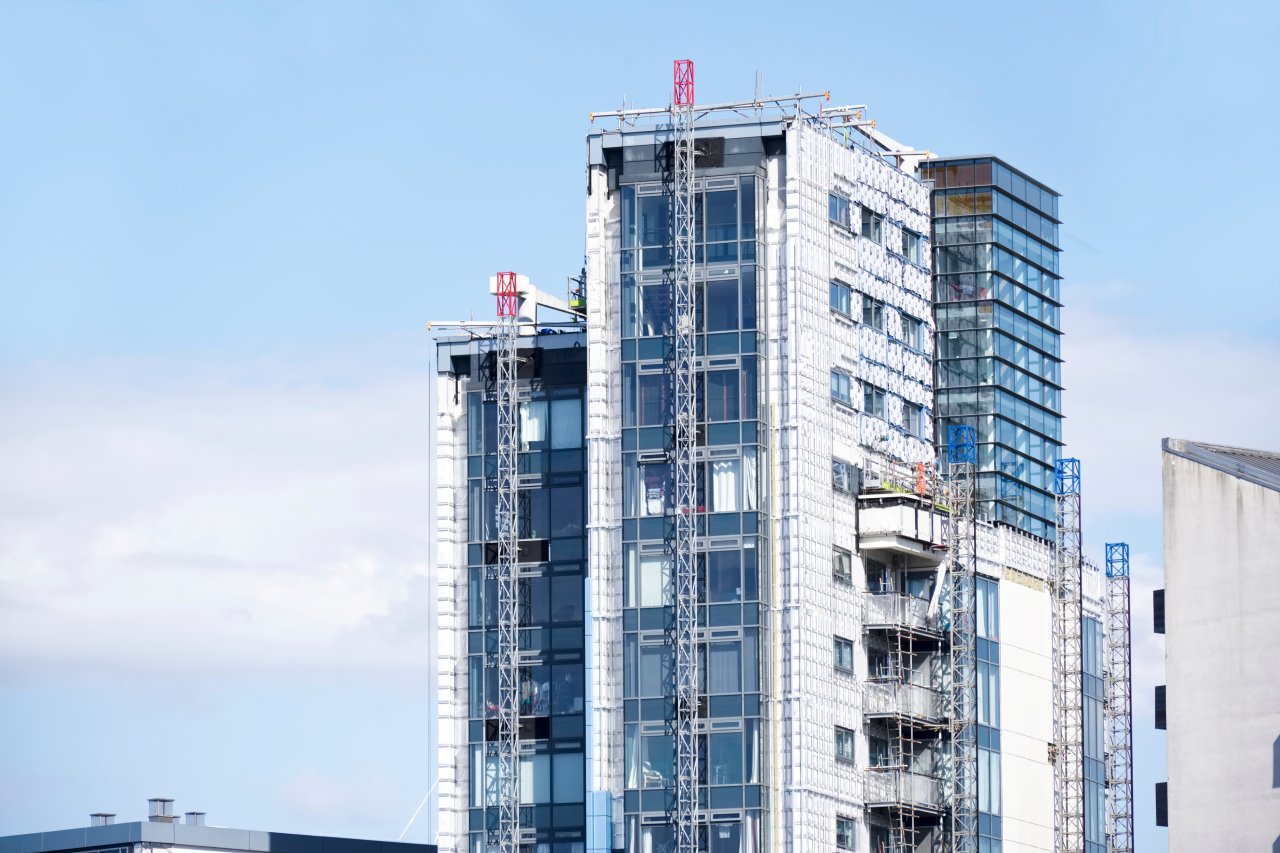
The post-Grenfell risk landscape: New liability rules for construction insurance
The fire safety environment has fundamentally shifted since Grenfell. The Building Safety Act 2022 and subsequent regulations have created a web of accountability that extends far beyond the original contractor. Developers, principal designers, building control bodies, product manufacturers, and even refurbishment specialists now face potential liability that can span decades through the new Building Safety Regulator enforcement powers.
For insurers, this means cladding and facade risks are no longer confined to the construction phase. Latent defect exposure, professional indemnity claims, and retrospective remediation costs are creating claims that surface years after completion. Recent Grenfell Enquiry findings have only intensified scrutiny on material specifications, testing protocols, and the adequacy of certification—areas where the gap between what was specified and what was installed can trigger substantial claims.
Building Safety Act 2022: What brokers must know about cladding compliance
The Building Safety Act 2022 represents the most significant overhaul of building safety regulations in a generation. For construction insurance brokers, understanding these compliance requirements is not optional—it directly impacts risk assessment, underwriting decisions, and claims exposure.
Under the new regulations, buildings over 18 metres require non-combustible cladding materials rated Euroclass A2-s1, d0 or better. The Building Safety Regulator now has enforcement powers that can reach back through the supply chain, creating liability exposures that persist long after practical completion.
Critical questions when underwriting cladding and facade risks
When underwriting construction risks involving cladding or facade works, brokers must dig deeper than standard technical schedules. Here are the critical questions that can make the difference between a risk that performs and one that does not:
Materials and building regulations compliance
Is the cladding system specified compliant with current Building Regulations Approved Document B? For buildings over 18 metres, non-combustible materials (Euroclass A2-s1, d0 or better) are now mandatory. Insist on seeing product certifications, not just contractor assurances. Desktop studies and material combustibility reports should be requested at the quotation stage.
BS 8414 testing and certification requirements
Has the facade system undergone large-scale testing (BS 8414) with a BR 135 classification report (or subsequently developed test method)? Generic product approvals are insufficient; the system as designed must be tested. This is where many historic claims originate: approved components assembled in untested configurations.
Contractor expertise and supply chain vetting
Who is installing the system, and what is their track record? Facade installation requires specialist expertise. Check for CWCT (Centre for Window and Cladding Technology) membership, previous project experience on similar scale buildings, and whether the contractor holds adequate Professional Liability and Professional Indemnity limits.
Retrospective exposure in refurbishment projects
For refurbishment projects, is there existing cladding being over-clad or left in situ? This can create hidden liability. Ensure the scope of works clearly defines what existing materials are being removed, what is being retained, and who bears responsibility for the existing installation.
How to engage underwriters on fire safety and cladding projects
The cladding crisis has permanently altered construction insurance. Brokers must move beyond tick-box compliance and engage with the technical detail. Request pre-contract risk assessments, demand evidence of independent fire safety consultancy involvement, and ensure that latent defect periods extend appropriately.
Most importantly, engage underwriters early. The market has capacity for well-documented, compliant cladding risks. What it will not tolerate is ambiguity, incomplete specifications, or contractors without demonstrable expertise.
This is a reminder that fire safety is a system, not a product. In cladding and facades, that system spans design, procurement, installation, and maintenance. Brokers who understand each link in that chain will place risks that protect clients, satisfy underwriters, and ultimately, save lives.